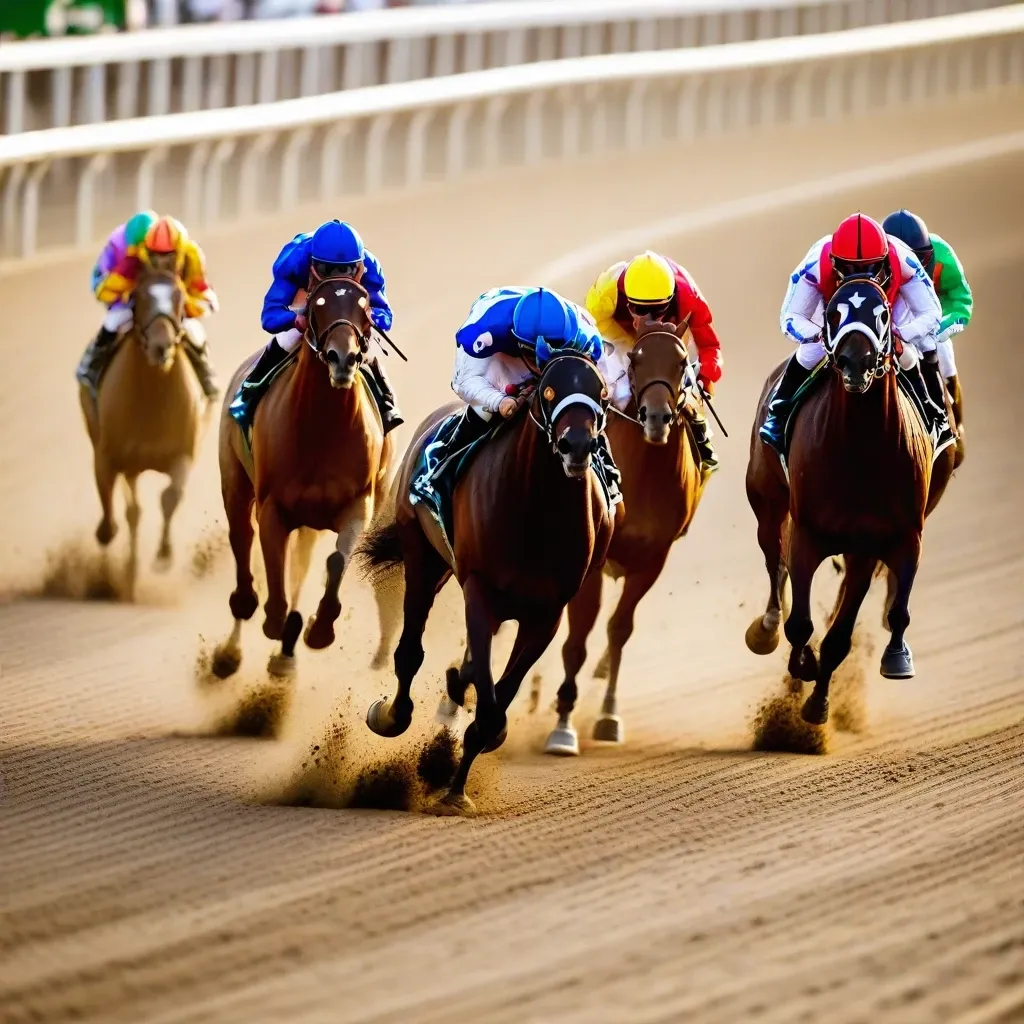
The thunder of hooves, the roar of the crowd, and the glint of sunlight on silk – horse racing is a sport steeped in tradition and excitement. But beyond the spectacle lies another compelling draw: the potential for profit through betting. While the thrill of a win can be exhilarating, the path to consistent success requires more than just luck. It demands a strategic approach, a keen understanding of the odds, and a commitment to responsible gambling.
This isn’t about get-rich-quick schemes or guaranteed wins (because frankly, those don’t exist). This is about equipping you with the knowledge and tools to make smarter, more informed bets. Whether you’re a seasoned punter or just starting out, the following strategies will help you navigate the complex world of horse racing betting and improve your chances of coming out ahead. You’ll discover how to analyze form, understand different bet types, manage your bankroll, and ultimately, make betting a more profitable and enjoyable experience. Remember, though, that responsible gambling is crucial. Never bet more than you can afford to lose, and always gamble responsibly
Understanding the Fundamentals of Horse Racing
Key Terminology
Diving into horse racing requires understanding its unique language. A furlong, for example, is an eighth of a mile, a common distance measurement. The post position is the assigned starting slot for each horse. The jockey is the rider guiding the horse, while the trainer is responsible for the horse’s overall conditioning and care. Odds represent the probability of a horse winning, influencing potential payouts. Knowing these terms is crucial for anyone wanting to understand race analysis and betting strategies.
Types of Races
Horse races are categorized into different types, each serving a distinct purpose. Maiden races are for horses that have never won. Allowance races are for horses that have won before, but meet specific conditions. Stakes races are the highest class, often featuring large purses and attracting top horses. Handicap races assign weights to horses to even the playing field. Claiming races allow owners to purchase (claim) a horse before the race. Recognizing these race types is vital as it affects horse selection.
Types of Horse Racing Bets
Horse racing offers a variety of betting options to cater to different risk appetites and levels of expertise. From simple wagers on a single horse to complex combinations, understanding these options is key to enjoying the sport and potentially winning big. These betting types provide different ways to engage with the race, each with its own level of risk and reward. Whether you’re a casual observer or a seasoned bettor, knowing the difference between a win bet and a superfecta can significantly impact your experience.
Straight Wagers
Straight wagers are the simplest form of betting on horse races. A win bet means your horse must finish first to collect. A place bet pays out if your horse finishes first or second. A show bet pays out if your horse finishes first, second, or third. For example, a $2 win bet on a horse that wins might pay out $8, while a $2 place bet on a horse that finishes second might pay out $4. These bets are popular among beginners due to their straightforward nature and relatively lower risk.
Exotic Wagers
Exotic wagers involve betting on multiple horses in a single race. An exacta bet requires you to correctly pick the first two finishers in the exact order. A trifecta bet requires you to correctly pick the first three finishers in the exact order. A superfecta bet requires you to correctly pick the first four finishers in the exact order. The odds of winning these bets are much lower than straight wagers, but the potential payouts can be significantly higher. These bets require more strategy and knowledge of the horses and their past performances, but the reward can be substantial.

Bankroll Management for Horse Racing
Effective bankroll management is the cornerstone of successful horse racing betting. Without a solid strategy for managing your funds, even the most astute handicapper can quickly find themselves in the red. Think of your betting bankroll as an investment portfolio; it requires careful planning, disciplined execution, and a clear understanding of risk.
Setting a Betting Budget
Before placing a single bet, take a realistic look at your financial situation. Gambling should be viewed as entertainment, and the money you wager should be discretionary income – funds you can afford to lose without impacting your essential expenses. Establish a dedicated betting budget and strictly adhere to it. One effective method is to create a separate account solely for your horse racing activities, ensuring that these funds remain distinct from your everyday finances. Remember, responsible gambling is about enjoying the thrill of the race without jeopardizing your financial well-being.
Implementing Staking Plans
A staking plan dictates how much of your bankroll you wager on each race. Flat betting, a simple approach, involves wagering the same amount on every race, regardless of the odds. Percentage betting, a more dynamic strategy, involves wagering a fixed percentage of your remaining bankroll. For example, wagering 2% of your bankroll allows your bet size to fluctuate along with your bankroll size. The Kelly Criterion, a more advanced approach, requires estimating your edge and adjusting your stakes accordingly. Your risk tolerance plays a big role in choosing a staking plan.
Proven Betting Strategies
Succeeding in the world of sports betting requires more than just luck; it demands a strategic approach. Multiple profitable betting strategies can significantly increase your chances of success. These tactics, when applied correctly, provide a methodical way to analyze odds, identify opportunities, and ultimately, make informed betting decisions. Always remember that any new strategy needs rigorous testing before you fully put your trust into it.
Value Betting
At its core, value betting is about finding situations where the odds offered by a bookmaker do not accurately reflect the true probability of an event occurring. A value bet exists when your assessment of the implied probability of an outcome is higher than the bookmaker’s. This difference translates into an edge. To identify value, you must convert odds into implied probabilities. For example, odds of 3.0 (or 2/1) imply a probability of 33.3%. If you believe the true odds are closer to reflecting a 50% chance, then you’ve identified a potential value bet. Consistently placing value bets will generate profit over time.
Steam Chasing
Steam chasing involves following significant and sudden market movements. A “steam move” occurs when a large volume of bets is placed on one particular outcome, causing bookmakers to rapidly adjust their odds. Steam chasers monitor these movements and attempt to capitalize on the presumed information driving the wave of bets. Imagine a major injury to a key player just before kickoff is announced. Savvy bettors, upon hearing this news, flood the market, betting against the team now without that player. The odds shift dramatically and quickly. A steam chaser who recognizes and acts on this movement early might profit handsomely. Be aware that steam chasing can be risky, as not all market movements are based on genuine inside information.
Case Study: During the 2023 Super Bowl, one bettor noticed an unusual steam move on the underdog team’s receiving yards prop. The odds plummeted within minutes. Acting quickly, the bettor placed a significant wager, correctly predicting a favorable outcome based on what later turned out to be intel about a specific coverage mismatch the favored team would struggle to exploit. While the bettor had no verifiable information, that bettor followed the signals to the money.
Analyzing Horse Racing Form and Data
Understanding horse racing goes beyond just picking a name you like. It involves diving into past performance data and identifying the factors that truly influence a race’s outcome. It’s about reading between the lines and becoming a handicapping expert. The racing form is your key to unlocking this world, revealing valuable information that can significantly improve your chances of picking a winner. From speed figures to track conditions, every detail can tell a story.
Reading the Racing Form
The racing form can seem like a jumble of numbers and abbreviations, but it’s a goldmine of information once you know how to decipher it. Each line represents a horse’s past performance in a previous race. Learning to read the abbreviations will allow you to see at what distance the horse ran and how fast. Focus on key data points like the horse’s finishing position, the date of the race, and the track where it was run.
Interpreting Key Data Points
Speed figures offer a standardized way to compare a horse’s performance across different tracks and distances. Analyzing pace involves understanding how quickly a horse ran the early parts of a race and how well they sustained that speed. Track bias refers to a track condition that favors certain running styles, like horses that prefer running on the lead. Recognizing these elements is crucial for successful handicapping; it gives you a peek into how a horse might perform.

Common Mistakes to Avoid
Even seasoned bettors stumble. Recognizing common pitfalls is half the battle in fortifying your strategy and protecting your bankroll. Betting isn’t just about picking winners; it’s about disciplined decision-making and understanding self-destructive behaviors. These mistakes can turn a promising streak into a costly downturn.
Emotional Betting
The thrill of a potential win or the sting of a recent loss can cloud judgment. Excitement might drive you to place larger bets than usual, while frustration can lead to impulsive, desperate wagers. This “tilt,” where emotions dictate actions, is a recipe for disaster. It is important to cultivate emotional control. Detach yourself from the immediate outcome and focus instead on the process; make calculated decisions based on research and strategy, not feelings.
Chasing Losses
The urge to recoup losses immediately is strong, but succumbing to it leads to a dangerous cycle. Desperation fuels riskier bets, often without proper analysis. The “just one more win” mentality can quickly deplete your funds as you stray further from your initial game plan. Sticking to a pre-defined strategy is crucial. Accept losses as part of the game and resist the temptation to deviate impulsively to recover them. Effective risk management involves acknowledging that not every bet will be a winner, and trying to chase losses can lead to even greater falls.
Over Betting
Over betting is a common issue, it involves risking too much of your capital on a single bet or across a short period. While confidence is essential, arrogance can be a costly weakness. Spreading your bets, diversifying your portfolio, and setting strict spending limits are ways to avoid this pitfall. Remember, consistent, measured growth is far more sustainable than erratic swings fueled by excessive risk.
Advanced Strategies and Tools (Optional)
AI Tools
For those seeking to leverage cutting-edge technology, Artificial Intelligence (AI) offers powerful tools to analyze vast datasets and identify potential betting opportunities. AI-powered predictors can sift through historical race results, jockey statistics, weather conditions, and other relevant factors to generate informed predictions. These tools assist bettors in refining their strategies and potentially gaining an edge in the horse racing market.
APIs for Real Time Data
Access to real-time market data is invaluable for serious bettors looking to develop and test their winning strategies. APIs, such as the betfair API, provide a direct pipeline to constantly updating odds, trading volumes, and other crucial information. By harnessing this data, bettors can build sophisticated models, identify arbitrage opportunities, and make data-driven decisions that can lead to increased profitability.
Conclusion: Mastering the Odds, Embracing Responsibility
Horse racing, a thrilling blend of strategy and chance, offers a unique betting landscape. This guide has equipped you with insights into understanding odds, crafting effective betting strategies, and managing your bankroll wisely. Remember, the most successful bettors are those who approach the track with knowledge and discipline.
The strategies shared here – from understanding different bet types to implementing smart bankroll management – are valuable tools. However, they are not guarantees of success. The unpredictable nature of horse racing is part of its allure. The ultimate goal is to enhance your enjoyment of the sport, not to chase unrealistic profits.
Responsible gambling is paramount. Set limits for your spending and stick to them. Recognize when to take a break or seek help if gambling becomes a problem. Horse racing should be a source of entertainment, not stress or financial hardship. Embrace the excitement, apply these strategies responsibly, and may the odds be ever in your favor!